

copper free mirror benefits
Types of Plug Gauges An Essential Tool for Precision Measurement In the fields of manufacturing and engineering, precision is paramount. Ensuring that components fit together flawlessly can make the difference between a successful assembly and a costly failure. One indispensable tool in achieving this level of precision is the plug gauge. Plug gauges are instruments used to check the dimensions of holes, ensuring that they meet specified tolerances. This article delves into the various types of plug gauges, their applications, and their significance in quality control. What is a Plug Gauge? Plug gauges are simple yet effective tools that act as standards used to measure the diameter of holes. Typically made from high-grade steel, these gauges are manufactured with utmost precision to provide reliable measurements. The fundamental design consists of a cylindrical body with a precise diameter that corresponds to the nominal size of the hole being measured. Types of Plug Gauges Plug gauges can be classified based on various criteria, such as function, design, and application. Here are some of the most common types 1. Go and No-Go Gauges These are the most frequently used types of plug gauges and are essential for quality control . The “Go” gauge is designed to fit into a hole that meets the upper tolerance limit, while the “No-Go” gauge will not fit in a hole that is within the lower tolerance limit. This binary system allows for quick assessments of whether a hole is acceptable or not. 2. Fixed Plug Gauges As their name suggests, fixed plug gauges have a predetermined size and are not adjustable. They come in various diameters and are ideal for checking specific dimensions in mass production where the same size features are consistently required. 3. Adjustable Plug Gauges Unlike fixed gauges, adjustable plug gauges can be modified to check a range of hole sizes. They come with a micrometer mechanism that allows for minute adjustments. These gauges are particularly useful for prototyping or when varied sizes need to be measured without changing the tool. 4. Segmented Plug Gauges These gauges feature several sections of different diameters, allowing them to check holes for multiple sizes with a single tool. This design can save time and increase efficiency, especially in production environments where rapid measurements are essential. types of plug gauge 5. Master Plug Gauges Master plug gauges are high-precision tools used to calibrate other gauges and measuring instruments. They are produced with such accuracy that they can serve as a standard reference point for quality assurance in manufacturing processes. Applications of Plug Gauges Plug gauges are widely used in various industries, including - Manufacturing In quality control, plug gauges are used to inspect holes in components like engine blocks, pipes, and fittings. - Aerospace The stringent safety standards in aerospace applications make plug gauges crucial in ensuring that parts meet strict tolerances. - Automotive The automotive industry relies on plug gauges for critical components, where precise fitment is vital for performance and safety. - Construction Plug gauges are used to check the diameter of holes in construction materials to ensure structural integrity. Importance of Plug Gauges in Quality Control The use of plug gauges is integral to maintaining quality in manufacturing processes. By ensuring that components meet specified tolerances, plug gauges help to reduce product failures, rework, and material waste. They also facilitate compliance with industry standards and regulations, which can be critical for companies aiming to maintain certifications. Moreover, the simplicity and effectiveness of plug gauges make them accessible to operators at all skill levels. Training staff to use these gauges takes minimal time, thus contributing to a streamlined production process. Conclusion In summary, plug gauges are essential tools in the world of manufacturing and engineering. Their various types, including Go and No-Go gauges, adjustable, segmented, and master gauges, cater to different application needs. As industries continue to emphasize precision and quality, the role of plug gauges will remain vital in ensuring that components fit together seamlessly, thereby fostering reliability and excellence in production. Whether in aerospace, automotive, or construction, plug gauges stand out as a testament to the commitment to quality and precision in engineering.
about
copper free mirror benefits
Understanding the Bore Gauge A Comprehensive Overview In the world of precision engineering and manufacturing, the accuracy of measurement tools is paramount. Among these tools, the bore gauge stands out as a crucial instrument for measuring the internal diameters of holes, cylinders, and other cylindrical shapes. A quintessential example is the Bore Gauge 0001, which exemplifies the functionality and precision that such instruments bring to various industrial applications. What is a Bore Gauge? A bore gauge, also known as an internal micrometer, is designed to measure the bore diameter of cylindrical parts with high precision. These tools are essential in quality control and engineering processes where tight tolerances are critical. The Bore Gauge 0001 specifically refers to a model capable of measuring small internal dimensions with a resolution of 0.001 inches, or 0.01 mm, making it an ideal choice for industries that require meticulous precision. Key Features of the Bore Gauge 0001 The Bore Gauge 0001 boasts several features that contribute to its efficiency and accuracy 1. High Precision With a resolution of 0.001 inches, this bore gauge allows for exact measurements, which is vital in applications such as aerospace, automotive, and manufacturing where even slight deviations can lead to significant issues. 2. User-Friendly Design The design includes a built-in depth stop that helps ensure consistent measurement depths, making it easier for operators, especially those who may be new to using precision tools. 3. Adjustable Measuring Range The Bore Gauge 0001 can typically be adjusted to accommodate different bore sizes, which enhances its versatility. This makes it suitable for measuring various components without requiring multiple gauges. 4. Durability Made from high-quality materials, the Bore Gauge 0001 is built to withstand the rigors of industrial use, providing reliability over time. How to Use a Bore Gauge bore gauge 0001 Using a bore gauge, including the Bore Gauge 0001, is a straightforward process, but it requires a careful approach to ensure accurate measurements 1. Preparation Ensure the bore gauge is clean and calibrated. Familiarizing yourself with the zero point of the gauge is essential for accurate readings. 2. Insertion Gently insert the gauge into the bore being measured. It’s important to perform this step delicately to prevent damaging the internal surface. 3. Measurement Expand the measuring tips of the bore gauge until they make contact with the walls of the bore. This contact should be consistent across different points around the circumference to ensure an accurate measurement. 4. Reading the Measurement Once the gauge is properly seated, note the reading on the scale. It may be helpful to take several readings at different points to account for any irregularities in the bore. 5. Recording Data Finally, document the measurements for quality control or further analysis. Applications of Bore Gauge 0001 The Bore Gauge 0001 finds applications across various sectors. In the automotive industry, it is utilized to measure cylinder bores during engine assembly to ensure they meet specified tolerances. Likewise, in the aerospace sector, precision is critical in evaluating fuel lines and airframe components. Additionally, manufacturing plants utilize the bore gauge for quality assurance, ensuring components meet stringent industry standards. Conclusion The Bore Gauge 0001 is an indispensable tool in precision measurement, offering high accuracy and ease of use. Understanding how to effectively use and maintain this tool can significantly impact manufacturing quality and efficiency. As industries continue to demand greater precision, tools like the Bore Gauge 0001 will remain at the forefront, enabling engineers and technicians to meet the challenges of modern engineering.
-

High quality industrial productsagement

High quality industrial products
View Details -

Meet the diverse needs of customers

Meet the diverse needs of customers
View Details -

Strict quality control

Strict quality control
View Details -

Top raw materials

Top raw materials
View Details -

Trusted supplier

Trusted supplier
View Details
Our application


news and information

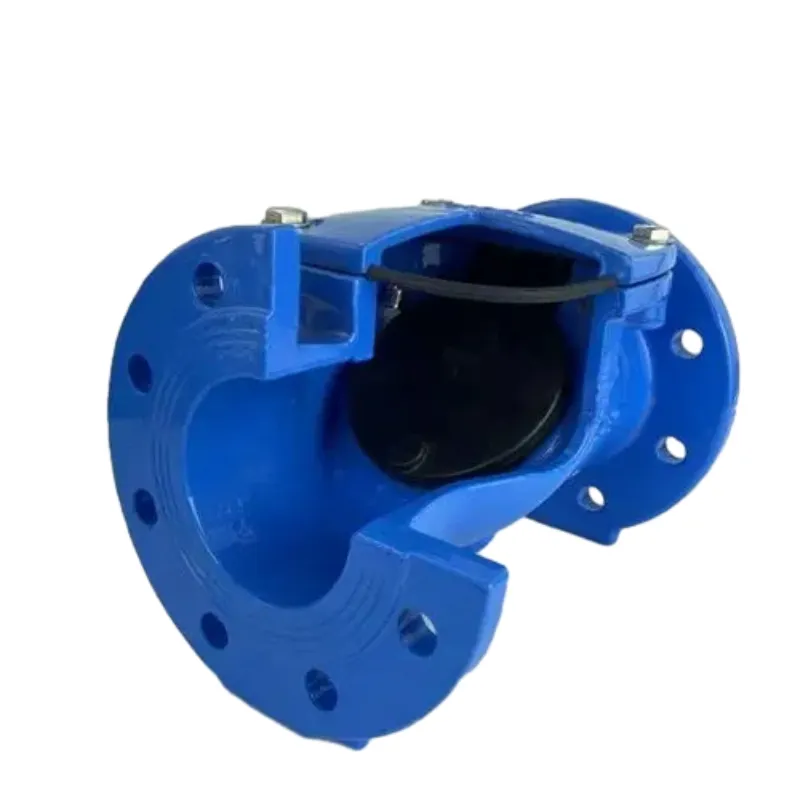
Water valve issues preventing proper shut off and causing leaks in the system
Troubleshooting a Water Valve That Won't Shut Off Dealing with plumbing issues can be a homeowner's

welded steel workbench
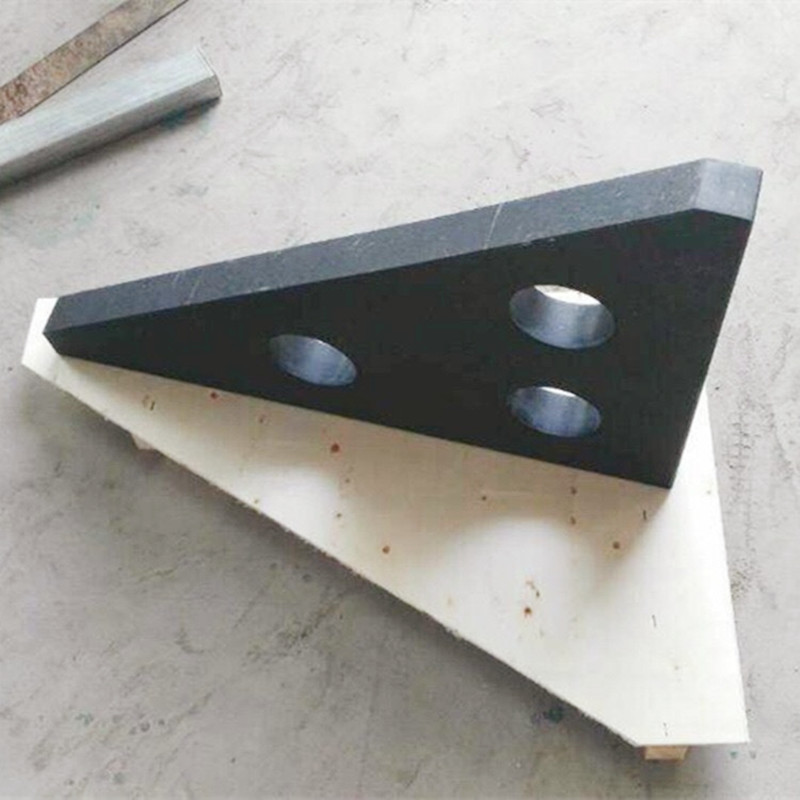
The Advantages of Using a Welded Steel Workbench In the realm of industrial workspaces, the signific
Vanne papillon 15 mm - Performances et applications
La vanne papillon de 15 mm est un élément essentiel dans le domaine de la régulation des fluides. Gr
 English